Used clothing labels: record what you can actually read
A percentage may describe only the outer fabric. Keep each label’s context and distinguish readable details from information you still cannot confirm.
A buyer asks whether a jacket is cotton. You see “100% cotton” on a label, but the word above it is “shell.” Before answering for the whole garment, you need to read the lining information. When preparing used clothing for sale, keeping those words matters as much as copying the percentage.
Copy the complete detail first
Read the label before shortening it for your listing. Keep the fiber name, its percentage and any wording that identifies the part it describes: shell, lining, filling or another section. If there are several labels or pages, check what is readable on each.
Record the size as printed instead of converting it from memory. If you note a brand name, treat it as text read from the label; that transcription does not authenticate the garment.
A readable photo can help you check a number or word later. Your notes should make clear what you read and what remains unresolved.
Keep shell and lining compositions separate
Do not combine percentages for different parts into one figure. “Shell: 100% cotton” does not describe the lining on its own. It also does not tell you what percentage of the entire garment’s weight is cotton.
Manufacturers may separate these details too. UNIQLO’s official Fleece Lined Stand Blouson page, for example, lists shell and lining separately in its fabric details. This is a reference for how information is presented, not a garment advertised by ABC.
If your label uses different wording or does not make clear which part a line describes, keep that uncertainty in your notes. Do not rename the section to make a simpler description fit.
An example: a jacket with two materials
Imagine a jacket labeled “Shell: 100% cotton / Lining: 100% polyester / Size: M.” This is an entirely fictional example, not an item from our catalog or the manufacturer’s model cited above.
A precise description would be: “Label states 100% cotton shell and 100% polyester lining. Tagged size: M.” Calling it simply a “100% cotton jacket” would lose the distinction you just read.
Now imagine the lining information has faded. You could write: “Label states 100% cotton shell. The lining composition is unreadable.” Do not fill in that second line from a similar jacket, even if it shares the same color or brand.
Say exactly what information is missing
A label can be present without confirming every detail. These phrases distinguish different situations:
- Label present and readable: transcribe the complete detail with its context.
- Partially unreadable label: identify the line you cannot read; keep the readable information separate.
- No visible composition label: record that observation without assigning a fiber from feel or appearance.
- Unreadable brand name: record that you cannot identify it; this does not establish that the garment is unbranded.
Check the listing before filling its fields
Compare the title, description and material fields with your notes. A careful sentence in the description does not correct a title claiming a different composition. If a platform asks for a detail you cannot confirm, review its current options and instructions before proceeding.
If the label does not let you confirm a fiber or brand, do not choose one merely to fill a field.
Do not translate an unfamiliar word from memory or interpret a blurred care symbol either. Keep the text or image and leave that question unresolved. This review helps describe information; it does not decide how to wash or treat a garment.
Answer the buyer with what you know
Before replying “yes, it is cotton,” return to the question: does the buyer mean the shell, the lining or the whole garment? State exactly what your information covers. If part is missing, say so in the same reply.
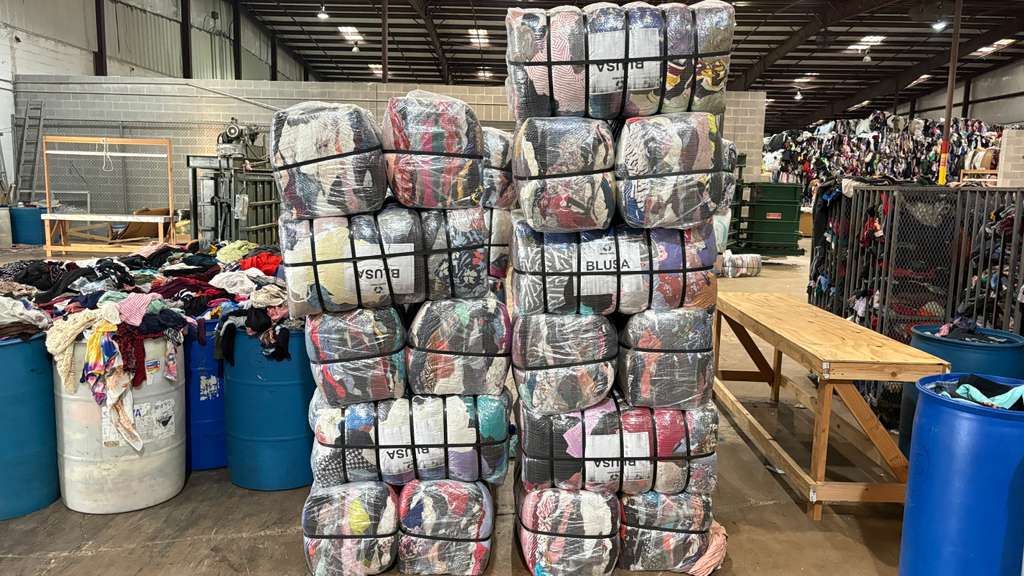
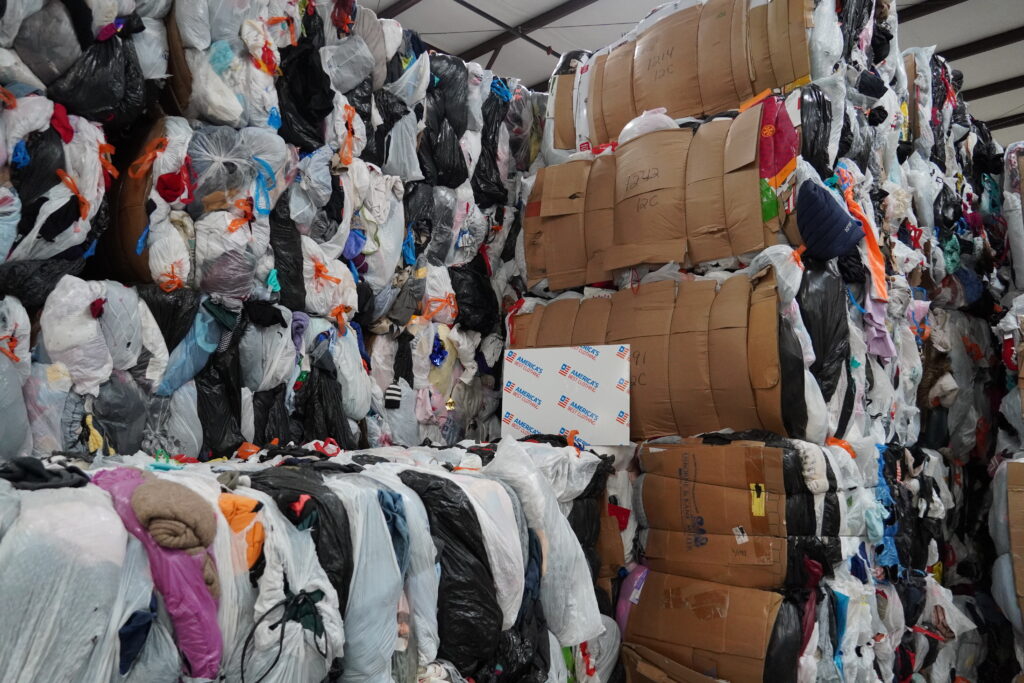
America’s Best Clothing offers credential and sorted clothing in Hidalgo, Texas. To plan your next wholesale purchase, ask the team about available categories and packaging. When you later describe individual pieces for your own sales, work from the information on each garment.
Further reading and sources
Tell us what clothing your business needs.
Ask about current credential or sorted clothing options. Selection and packaging vary by lot.
Talk on WhatsApp